The loneliness problem nobody talks about
Freelancers, independents and remote workers have won the freedom they always wanted. No commute, no open plan office, no pointless meetings (well less). But freedom came with the side effect of isolation.
Working alone is fine until it isn’t. The lack of casual conversation, the absence of people to bounce ideas off, the feeling that you’re operating in a vacuum all adds up. Studies consistently show that loneliness is one of the biggest challenges facing solo workers, and yet most coworking spaces respond to this by adding a ping pong table and calling it culture. That’s not community, it’s furniture.
What community actually looks like
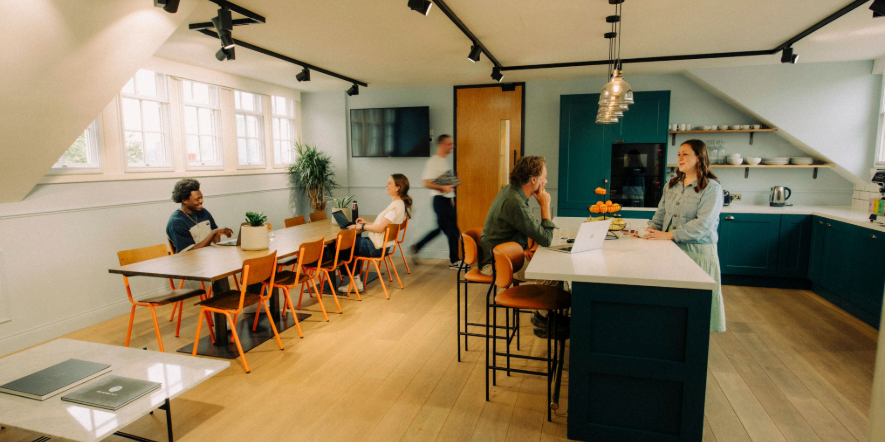
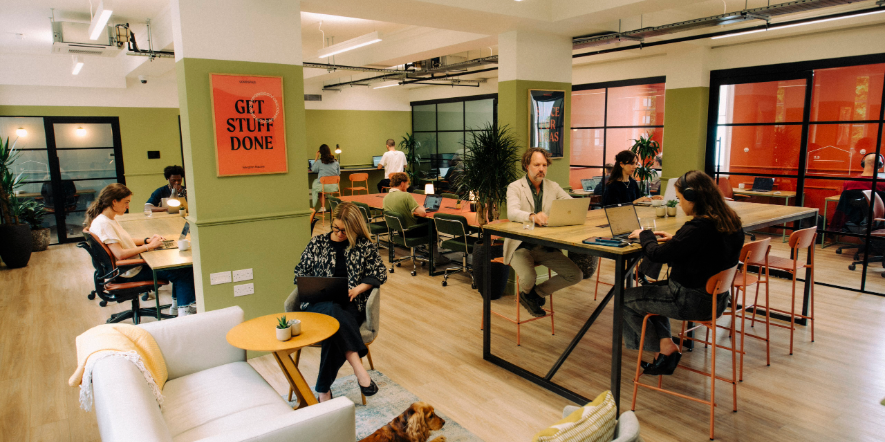
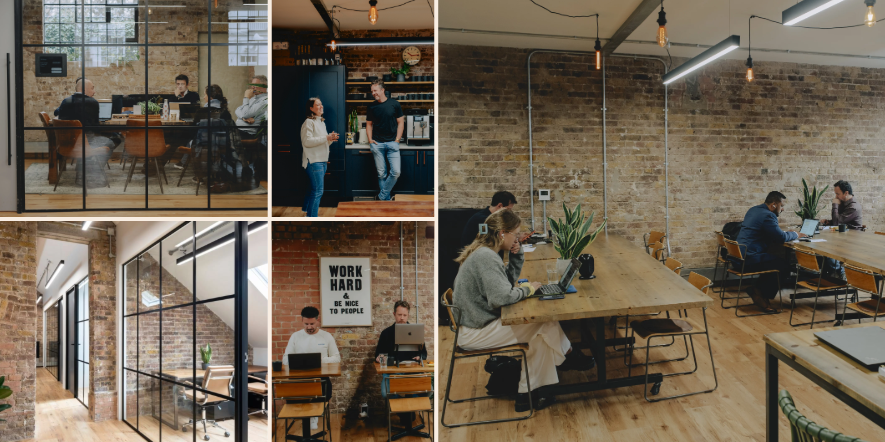
Real community at work is generally not forced. It’s the person at the next desk who mentions they know someone you should speak to. It’s overhearing a conversation that sparks an idea. It’s feeling like the place you work from is rooting for you.
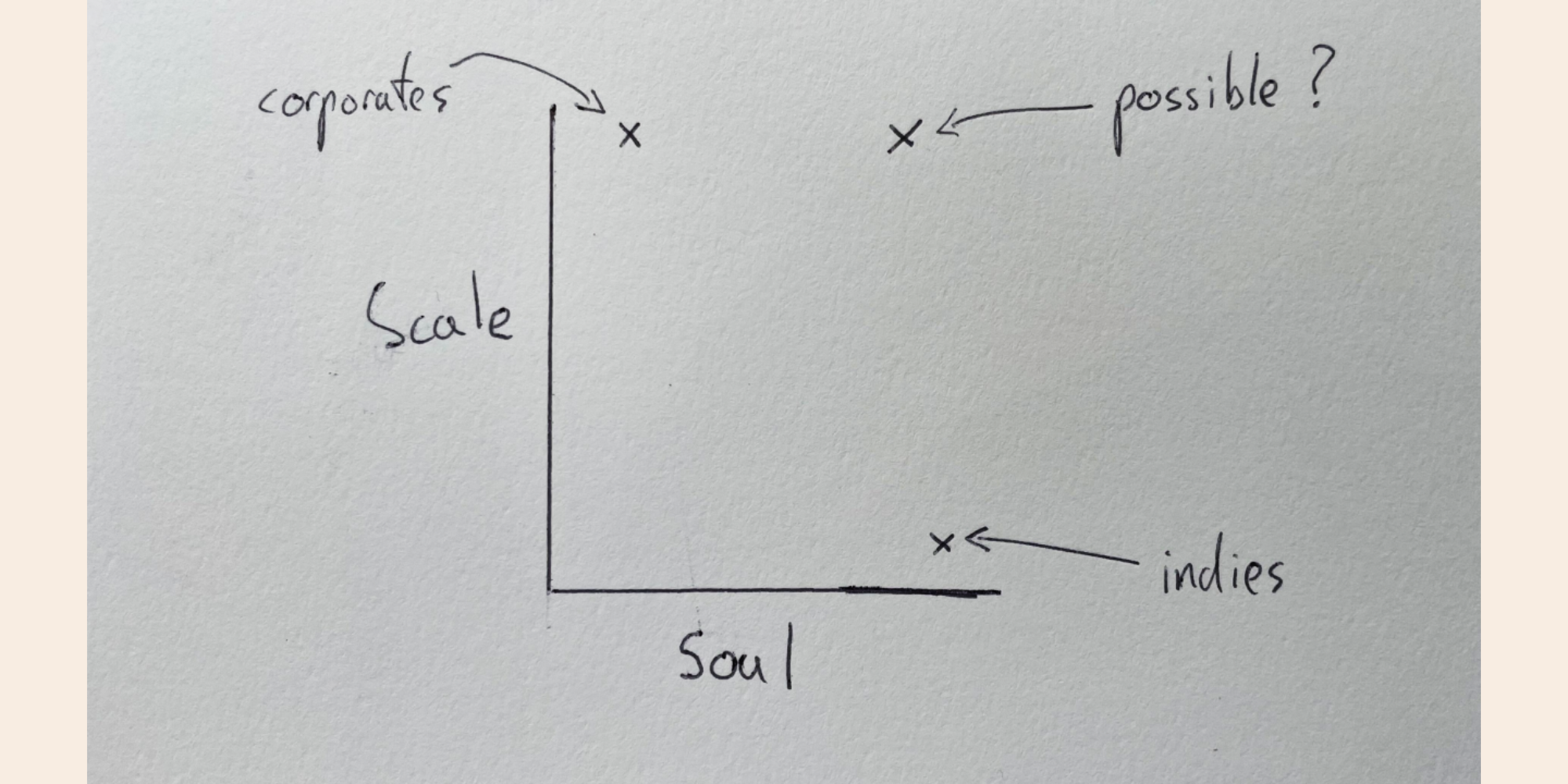
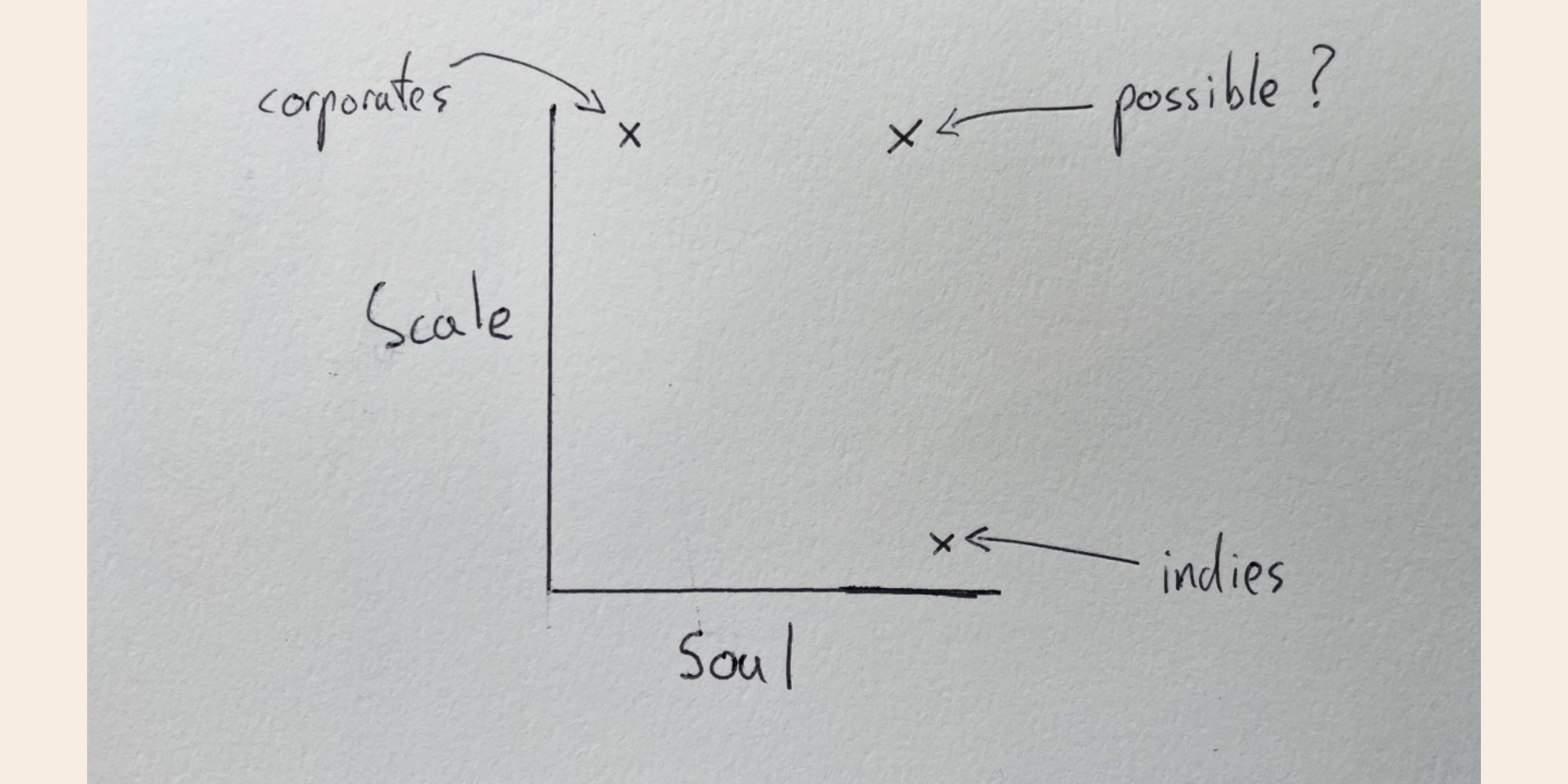
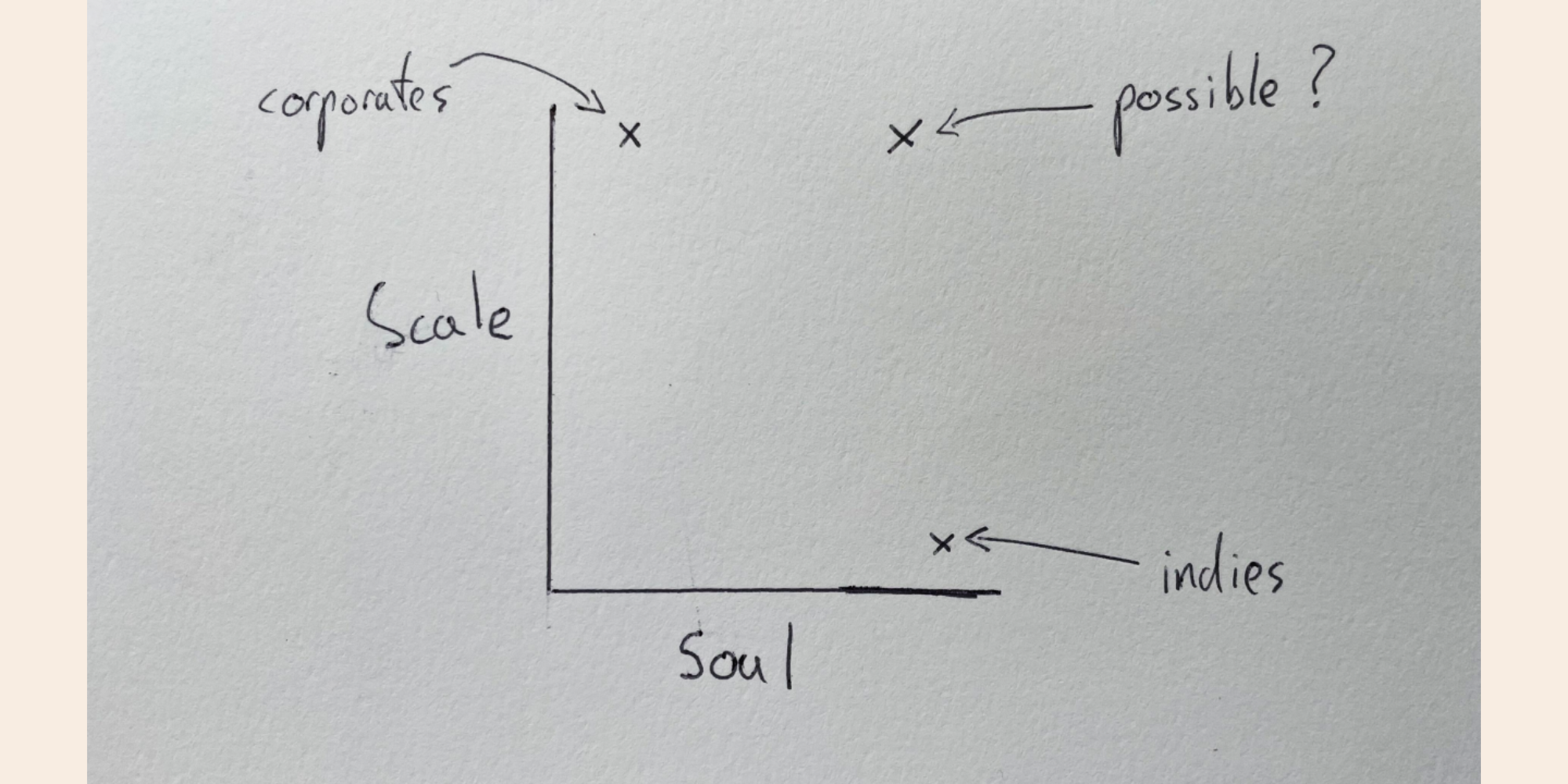
This is what good coworking spaces are starting to understand. The value is the connections that are formed within the space. The businesses that get this are building environments where those connections can occur naturally, not just transactionally.
Why this matters now
The way people work has changed permanently. Hybrid and remote work aren’t going anywhere, which means more people than ever are choosing where they work rather than just accepting it. That choice comes with higher expectations.
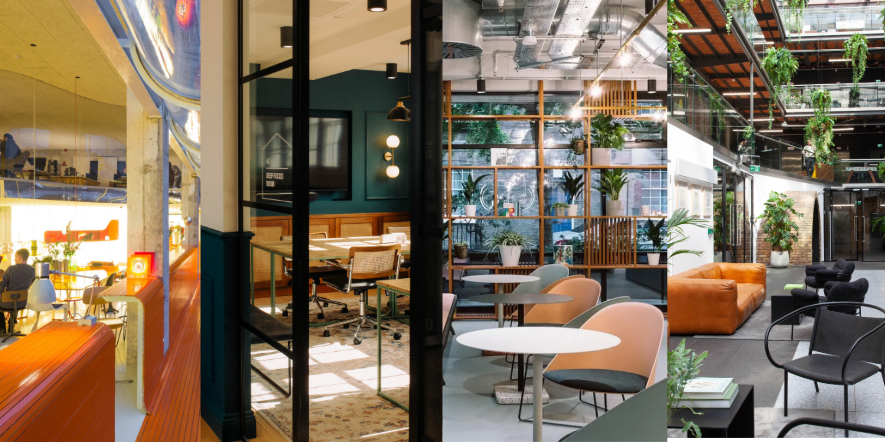
There is a growing appetite for workspaces that offer more than a place to open a laptop, somewhere that feels like a base, a community, something worth being party of. The businesses that define the next era of work are the ones that recognise this distinction. Space is the easy part. Building something that people genuinely want to belong to is a different challenge entirely, and it’s the one worth solving.
The shift is already happening
You can see it in the spaces that are thriving. The ones with waiting lists aren’t necessarily the ones with the best interiors - they’re ones where members bring other members, where people stay longer than they need to, where leaving feels like a loss rather than just a change of address.
The spaces that understand that are the ones that will matter.